NDA
Robotic vision that doesn’t break in real-world conditions.
NeuralSpike deployed a real-time vision system enabling a robot to detect, segment, and manipulate objects - even in dynamic, messy environments.
The Challenge
Picking objects is easy. Picking the right ones, fast, is not. In real environments, robotic systems struggle with:
overlapping and partially occluded objects
inconsistent shapes and textures
motion and changing lighting conditions
strict latency requirements for real-time response
Typical systems:
fail under variability
rely on cloud processing (too slow)
lose precision when optimized for speed
The Approach
We designed vision for the robot - not for the dataset. NeuralSpike built a system combining:
Object detection + segmentation
identify and isolate objects precisely
handle overlapping elements
Real-time tracking
maintain object identity across movement
stabilize robotic decision-making
Edge optimization
run directly on embedded hardware
minimize latency and processing overhead
Spatial understanding (3D-aware logic)
support accurate grasping and placement
adapt to object orientation and position
The Solution
A robot that sees, decides, and acts - in milliseconds. The deployed system enables:
picking and placing objects dynamically
sorting items on conveyor belts
separating defective or unwanted elements
cooperating with other robots in shared environments
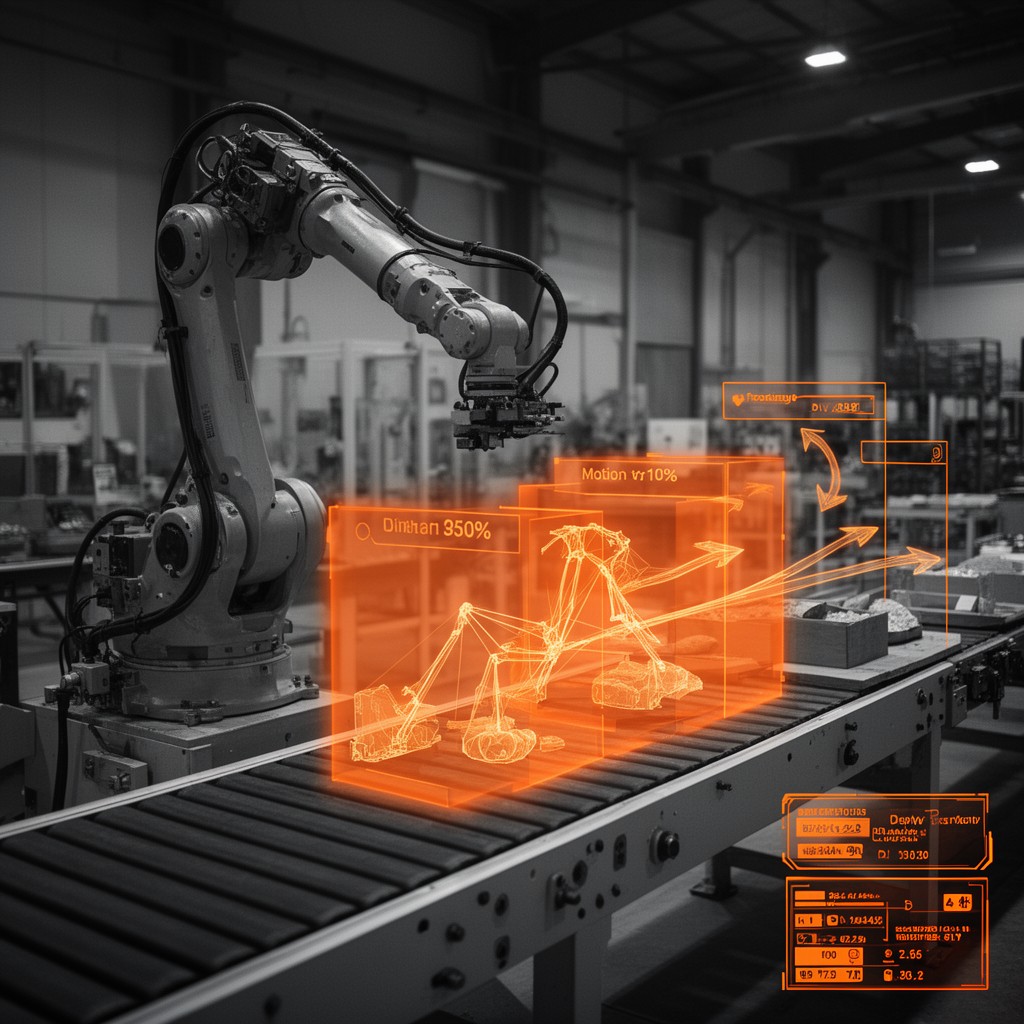
Example application: Automated sorting line - robot detects and separates items in real time, even when they overlap or move unpredictably.
Performance Results
Robotics fails when vision can’t keep up.
NeuralSpike approach:
combines detection, segmentation, and tracking
optimizes for latency first — not last
runs directly on-device (no cloud delays)
Key insight: A robot doesn’t need a “smart model.” It needs a fast and reliable one.
What this means for you
This is how robotic vision becomes production-ready.
real-time decision-making
stable performance in dynamic environments
scalable deployment across multiple robots
Ready to test this on your device?
Real hardware. Real benchmarks. No guesswork.
Want to see it in action?